Part 61 vs Part 141 in 2026: Which Flight School Path Fits You?
Published by:
Published on:
Updated on:
Read time:
8 min read
You have two flight school tabs open. One says Part 61, the other says Part 141, and both promise the same private pilot certificate at the end. The hours look different, the prices look different, and nobody on either website explains which one fits a person with a job, a budget, and maybe an airline goal. Choosing wrong can cost you months of schedule friction or thousands of dollars in hours you did not plan for.
The short version of Part 61 vs Part 141: both lead to the same FAA certificates and ratings, and a checkride examiner holds you to the same standards either way. The difference is how the training is organized. Part 141 schools follow an FAA-approved course with stage checks and lower minimum course hours. Part 61 training is built around you and your instructor, with more freedom over pace and scheduling. We are Blue Skies Above, a Part 61 school at Lanett Municipal Airport (7A3), so we will tell you plainly where each path wins, including the cases where Part 141 fits better.
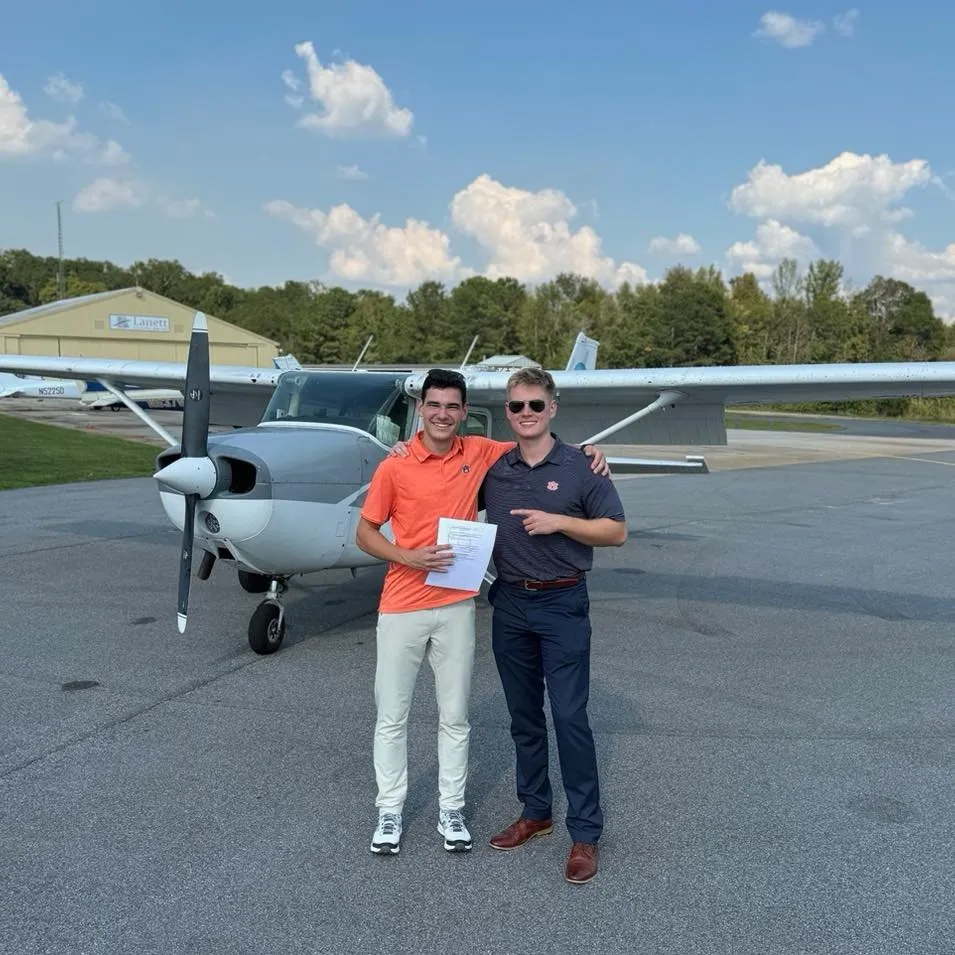
Same Certificate, Two Rule Books: The Difference Between Part 61 and 141
14 CFR Part 61 is the FAA rule set for pilot certificates and ratings. It lists the knowledge, skills, and logged experience you need, and any authorized flight instructor can train you toward it. 14 CFR Part 141 covers FAA-certificated pilot schools. Those schools run approved courses with a written syllabus, stage checks along the way, and training records the FAA reviews.
So the difference between Part 61 and 141 comes down to structure. A Part 61 instructor adjusts the order of lessons to your progress. A Part 141 school moves you through stages in a set sequence. Both end at the same practical test with a designated pilot examiner, and both certificates look identical in your wallet. Our guide to choosing a flight school in Alabama covers the other things worth checking, like aircraft availability and instructor turnover.
Part 61 vs Part 141 Hours, Side by Side
The minimum hours are where most people start comparing. Here are the current 2026 minimums for an airplane, single-engine path:
| Certificate or rating | Part 61 minimum | Part 141 course minimum |
|---|---|---|
| Private Pilot Certificate | 40 hours flight time, including 20 hours with an instructor and 10 solo (14 CFR 61.109) | 35 hours flight training, including 20 hours with an instructor and 5 solo, plus 35 hours ground training (Appendix B) |
| Instrument Rating | 50 hours cross-country as pilot in command and 40 hours instrument time, 15 of them with an instrument instructor (14 CFR 61.65) | 35 hours instrument training plus 30 hours ground training (Appendix C) |
| Commercial Pilot Certificate | 250 hours total time as a pilot (14 CFR 61.129) | 120 hours of training in the course, including 55 with an instructor (Appendix D) |
Add the three Part 141 course minimums together (35 + 35 + 120) and you get 190 hours, which is where the familiar “190 vs 250” comparison comes from. It works because a Part 141 graduate who takes the practical test within 60 days of graduating is treated as meeting the Part 61 experience requirements (14 CFR 61.71).
All of these numbers are minimums, and most students under either rule book log more. At our school, the private pilot average we plan around is about 65 hours, which is why our pricing shows a realistic package next to the minimums package.
What the Hour Gap Does to Part 61 vs 141 Cost
The lower Part 141 minimums look like an automatic saving. In practice, the cost of either path depends on how many hours you actually fly, how often you fly, and the hourly rates for aircraft and instruction. A student who flies three times a week usually needs fewer total hours than one who flies twice a month, because less time goes to relearning skills that faded between lessons.
The 60-hour gap at the commercial level is real, and for a full-time student it can be a meaningful saving. For many Part 61 students, though, those extra hours get built anyway while working as a flight instructor or flying toward airline minimums, so the gap shrinks once you look at the whole career path.
At Blue Skies Above, our Private Pilot Full Program is $21,575 on a 65-hour realistic syllabus, and the FAA-minimums package is $12,775 at 40 hours. You pay for the time you actually fly, with no minimum billing. If paying all at once is the obstacle, financing through Stratus Financial and Flight Training Finance is available to qualified applicants.
How Long Each Path Takes When You Have a Job
Timeline is where schedule flexibility shows up. A Part 141 course is designed around steady progress through stages, and it works best when training is your main job. If you miss weeks for work travel or family, the syllabus waits, and you may repeat lessons to pass the next stage check.
Part 61 bends around your calendar. You can fly early mornings, evenings, or weekends, and your instructor picks up where you left off. For working adults, that flexibility often decides the whole question. The trade-off is that nothing forces the pace, so you need a plan and a lesson rhythm you can keep. We suggest two to three lessons a week whenever possible, and our private pilot training timeline guide shows what each phase looks like.
When Part 141 Is the Better Fit
We train under Part 61, and we still think Part 141 is the right call for some students. It tends to fit better when:
- You plan to use GI Bill benefits. VA flight-training benefits generally require an approved course at an FAA-certificated pilot school, and VA requires a private pilot certificate before those benefits apply.
- You want a degree and a restricted ATP. The reduced-hour R-ATP paths run through authorized college programs, and those programs use Part 141 courses.
- You can train full time and want a fixed structure. A set syllabus with stage checks suits students who like a clear, external pace.
If none of those describe you, the lower course minimums alone are rarely enough reason to pick a school. Our flight training guide walks through the other factors, from aircraft to instructor fit.
Part 61 vs Part 141 and Your Airline Timeline
A Part 141 certificate on its own does not reduce the 1,500 hours needed for an airline transport pilot (ATP) certificate (14 CFR 61.159). The restricted ATP rules in 14 CFR 61.160 lower the total only for specific backgrounds:
| R-ATP path | Minimum total time |
|---|---|
| Qualifying military pilot | 750 hours |
| Bachelor’s degree with an aviation major from an authorized school (60 aviation credit hours) | 1,000 hours |
| Bachelor’s degree with 30 to 59 aviation credit hours, or an associate’s degree with an aviation major | 1,250 hours |
| Everyone else, including Part 61 and standalone Part 141 graduates | 1,500 hours |
The degree paths also require that your commercial certificate and instrument rating were earned in that institution’s Part 141 curriculum. If you are not in one of those programs, your airline timeline depends on how you build hours, not on which rule book you trained under. Our post on understanding the R-ATP goes deeper, and our Professional Flight Program shows how students build ratings and hours locally.
Switching Between Part 61 and Part 141 Mid-Training
Moving from one Part 61 school to another is usually simple, because your logged hours are yours and count wherever you logged them. Your new instructor still gives the endorsements needed for your checkride.
Moving into a Part 141 course works differently. Under 14 CFR 141.77, a Part 141 school can credit up to 50 percent of its flight curriculum for training from another Part 141 or Part 142 course, and up to 25 percent for other training, such as Part 61 lessons. The receiving school tests your proficiency and knowledge first.
What Part 61 Looks Like at a Local School
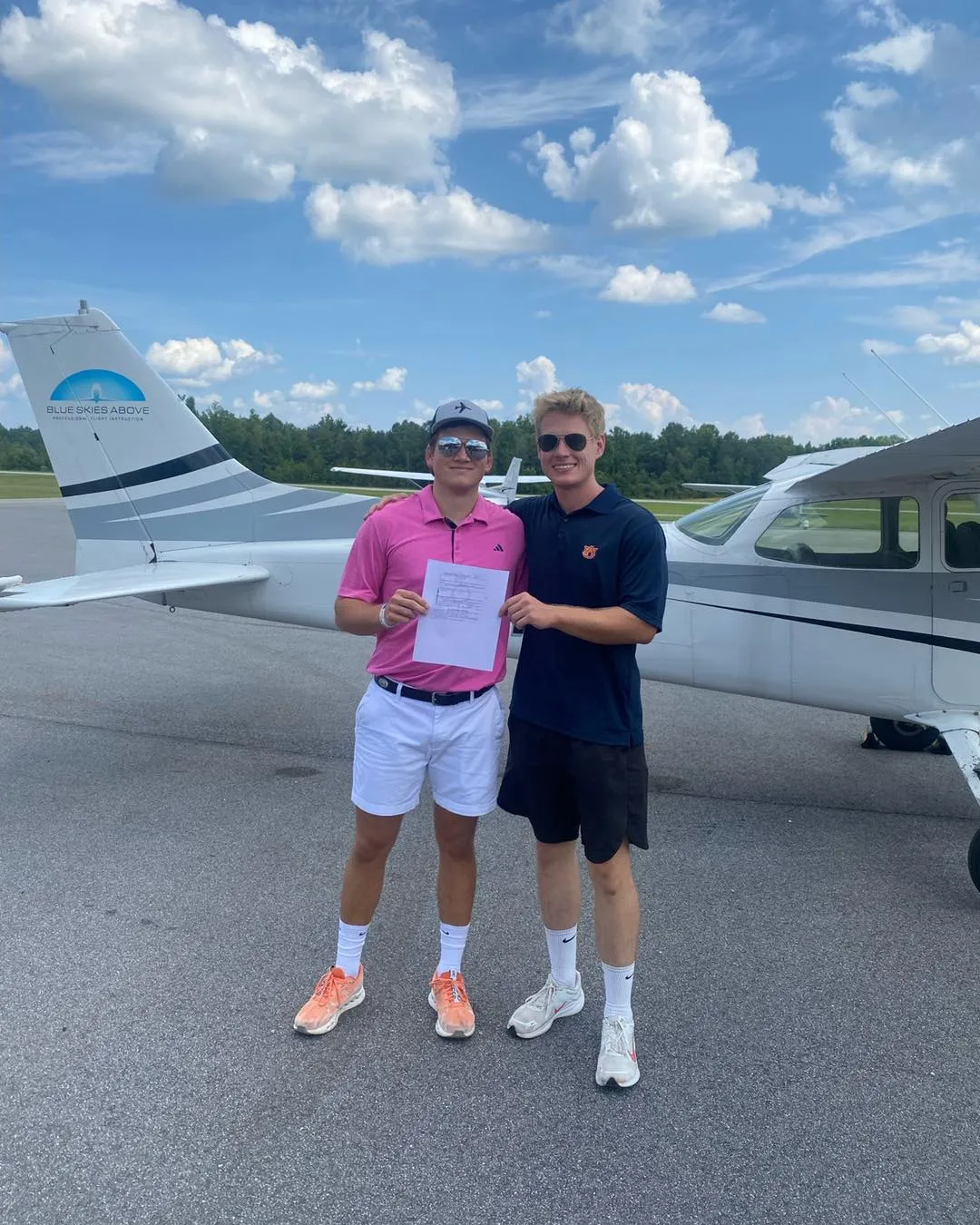
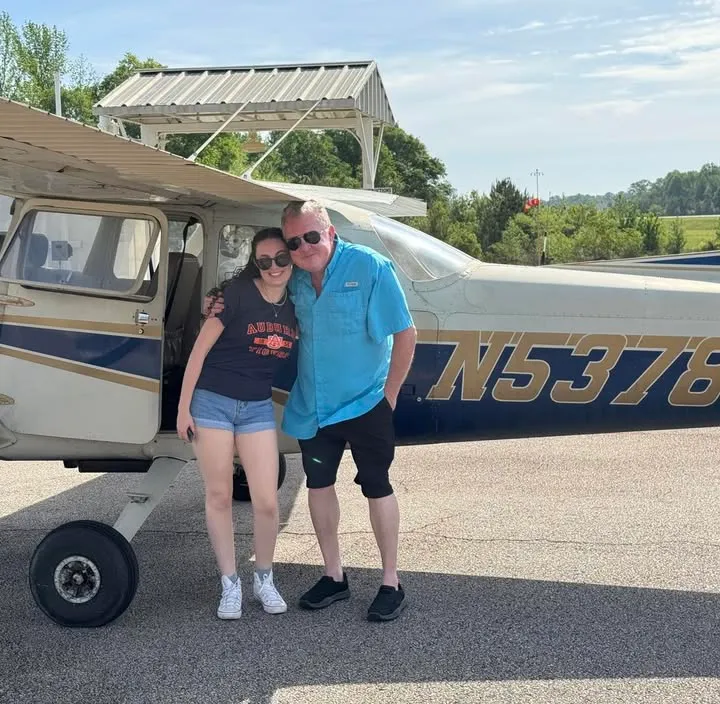
At Blue Skies Above, Part 61 training means you work one-on-one with your instructor at a quiet airport, and lessons follow your progress instead of a fixed stage sequence. Students fly Cessna 172s, schedule around work or classes, and pay for the hours they use. One student described training here as feeling “less like a school and more like a family,” and that kind of consistency helps lessons build on each other.
We wrote a separate post on why some students choose a Part 61 school over a university program. This guide is the neutral version: if your goals point to Part 141, that is the right choice for you, and we would rather you start on the path that fits.
FAQ
Is Part 61 or Part 141 better? Neither is better across the board. Part 141 suits full-time students, GI Bill users, and degree-based R-ATP candidates. Part 61 suits people who need flexible scheduling and a pace built around their life.
Is Part 61 cheaper than Part 141? Not automatically. The total cost depends on hours flown, lesson frequency, and hourly rates. Compare realistic totals, not minimums, and check our pricing for a worked example.
Do airlines care whether I trained under Part 61 or Part 141? The ATP hour rules do not change because of Part 61 or Part 141 training alone. What counts is your certificates, ratings, and total time, as our R-ATP guide explains.
Can I get my private pilot certificate under Part 61 and finish under Part 141? Yes. Your private certificate stays valid whatever rule book you earned it under, and a Part 141 school can enroll you in its instrument or commercial course.
What is Part 61 in aviation, in one sentence? It is the FAA regulation that sets the requirements for pilot certificates and ratings, and the name students use for training with an instructor outside a certificated Part 141 course. Our flight training guide explains the full path.
Fly One Lesson Before You Pick a Path
The fastest way to settle Part 61 vs Part 141 for yourself is to sit in the left seat and feel how training fits your week. Book a Discovery Flight at Lanett Municipal Airport, fly with one of our instructors, and talk through your goals, schedule, and budget with us on the ramp afterward.